Exploring Nature: A Journey to Personal Growth
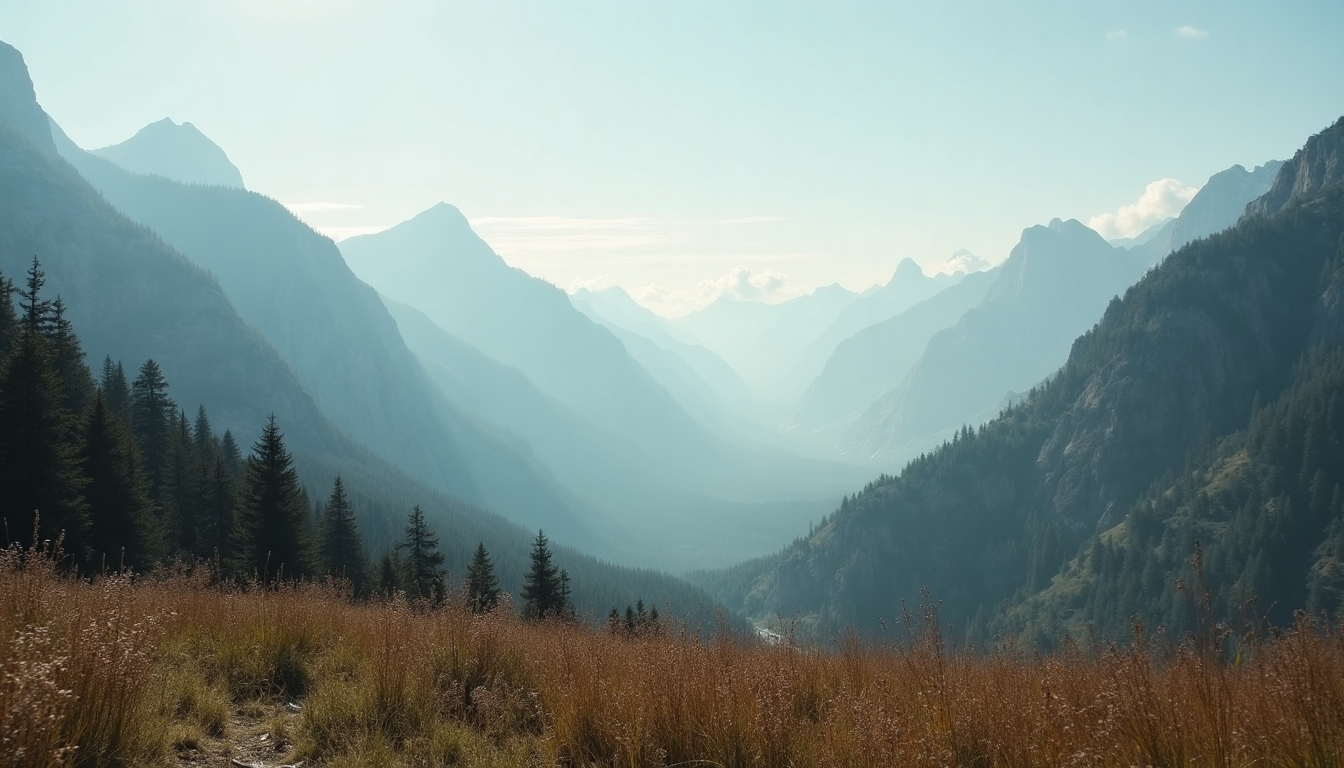
Nature has an incredible ability to inspire and transform us. Whether it's a serene forest, a majestic mountain, or a tranquil beach, the great outdoors offers a unique space for reflection and personal growth. In this blog post, we will explore how immersing ourselves in nature can lead to profound changes in our lives, enhancing our mental well-being, fostering creativity, and encouraging a deeper connection with ourselves and the world around us.

The Healing Power of Nature
Understanding Nature's Impact on Mental Health
Research has shown that spending time in nature can significantly improve mental health. Studies indicate that being outdoors can reduce symptoms of anxiety and depression. The natural environment provides a calming effect, allowing us to disconnect from the stresses of daily life.
Fresh Air and Sunshine: Exposure to sunlight increases serotonin levels, which can boost mood and promote feelings of happiness.
Natural Sounds: The sounds of rustling leaves, flowing water, and chirping birds can create a soothing atmosphere, reducing stress levels.
Physical Activity: Engaging in outdoor activities like hiking, biking, or simply walking can release endorphins, further enhancing our mood.
Personal Stories of Transformation
Many individuals have shared their experiences of how nature has played a pivotal role in their personal growth. For example, Sarah, a city dweller, found solace in weekend hikes. She describes how the quiet of the mountains allowed her to reflect on her life choices, leading her to pursue a career change that aligned more closely with her passions.
Similarly, John, who struggled with anxiety, discovered that regular visits to a nearby park helped him manage his symptoms. The simple act of being surrounded by greenery and wildlife provided him with a sense of peace and clarity.
Cultivating Mindfulness in Nature
The Practice of Mindfulness
Mindfulness is the practice of being present and fully engaged in the moment. Nature provides an ideal backdrop for cultivating mindfulness. Here are some ways to practice mindfulness outdoors:
Nature Walks: Focus on your surroundings. Notice the colors, textures, and sounds. This practice can ground you and enhance your appreciation for the environment.
Breathing Exercises: Take deep breaths while observing the natural world. Inhale the fresh air and exhale any tension or stress.
Journaling: Bring a journal on your outdoor adventures. Write down your thoughts, feelings, and observations. This can help clarify your mind and foster self-discovery.
Examples of Mindful Activities
Engaging in mindful activities can deepen your connection with nature. Consider trying:
Forest Bathing: This Japanese practice, known as Shinrin-yoku, encourages individuals to immerse themselves in the forest atmosphere. It promotes relaxation and rejuvenation.
Nature Photography: Capture the beauty of your surroundings. This encourages you to observe details you might otherwise overlook.
Gardening: Tending to plants can be a meditative experience, allowing you to connect with the earth and witness the growth process.
Nature as a Catalyst for Creativity
Unlocking Creative Potential
Nature has long been a source of inspiration for artists, writers, and thinkers. The tranquility and beauty of the outdoors can unlock creative potential in unexpected ways.
Changing Perspectives: A change of scenery can lead to new ideas. Stepping outside your usual environment can stimulate fresh thoughts and perspectives.
Unplugging from Technology: Disconnecting from screens allows your mind to wander freely, often leading to innovative ideas and solutions.
Real-Life Examples of Nature-Inspired Creativity
Many renowned creators have found inspiration in nature. For instance, the poet William Wordsworth often drew from his experiences in the Lake District, capturing the beauty of the natural world in his verses. Similarly, Steve Jobs famously took long walks in nature to brainstorm ideas for Apple, believing that the outdoors sparked his creativity.
Building Connections with Nature
Fostering a Deeper Relationship with the Environment
As we explore nature, we also develop a deeper connection with the environment. This relationship can lead to a greater sense of responsibility for preserving our planet.
Volunteering for Conservation: Participating in local conservation efforts can strengthen your bond with nature while contributing to its protection.
Learning About Ecosystems: Understanding the intricacies of ecosystems can enhance your appreciation for the natural world and inspire you to advocate for environmental sustainability.
Examples of Community Engagement
Many communities offer opportunities to engage with nature through organized events. For example, local parks often host clean-up days, tree planting events, and educational workshops. Participating in these activities not only benefits the environment but also fosters a sense of community and shared purpose.
Overcoming Challenges in Nature
Facing Fears and Building Resilience
Nature can also serve as a platform for overcoming personal challenges. Engaging in outdoor activities can help individuals confront fears and build resilience.
Hiking: Tackling a challenging trail can teach perseverance and determination. Each step forward can symbolize progress in overcoming obstacles in life.
Camping: Spending nights in the wilderness can push individuals out of their comfort zones, fostering adaptability and resourcefulness.
Personal Growth Through Challenges
Many people have shared stories of how outdoor challenges have transformed their lives. For instance, a woman who feared heights took up rock climbing. Through this experience, she not only conquered her fear but also gained confidence that translated into other areas of her life.
The Importance of Community in Nature
Building Relationships Through Shared Experiences
Nature can bring people together, fostering relationships and community bonds. Shared outdoor experiences can create lasting memories and connections.
Group Hikes: Joining a hiking group can introduce you to like-minded individuals who share a passion for the outdoors.
Outdoor Classes: Participating in classes such as yoga in the park or nature photography workshops can help you meet new people while enjoying nature.
Examples of Community Initiatives
Many organizations focus on building community through nature. For example, local outdoor clubs often organize events that encourage people to explore their surroundings together. These initiatives not only promote physical activity but also strengthen social ties.
Conclusion
Exploring nature is more than just a recreational activity; it is a journey toward personal growth. By immersing ourselves in the natural world, we can enhance our mental well-being, cultivate mindfulness, unlock creativity, and build meaningful connections.
As you embark on your own journey, consider how nature can play a role in your personal development. Whether it's through hiking, volunteering, or simply taking a moment to breathe in the fresh air, the opportunities for growth are endless. So, step outside, embrace the beauty of the world around you, and discover the transformative power of nature.

Comments